| Type | Island |
|---|---|
| Location | Far East |
| Inhabitants | Humans Elves |
¶ Overview
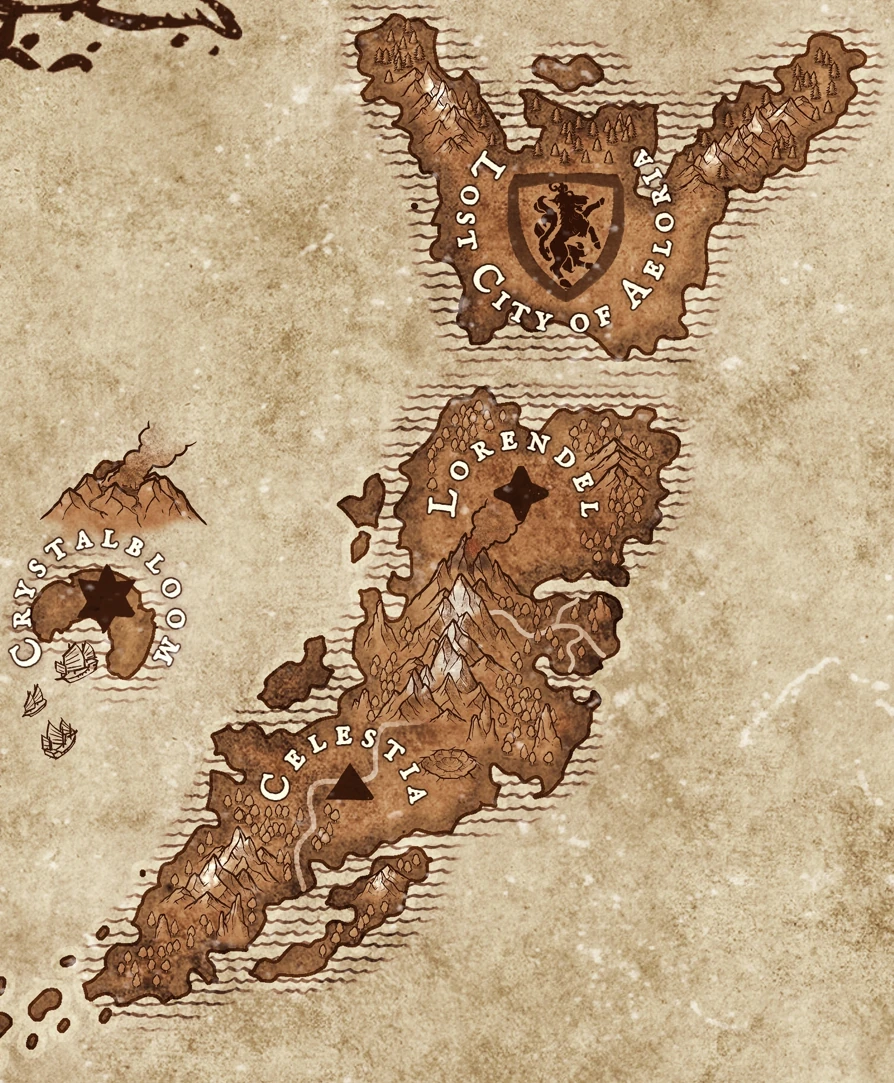
Kirijima is an island kingdom located far to the east, beyond the main continent. The inhabitants of Kirijima do not speak the common language but their own unique tongue known as Kansai. The island is distinct not only in its language but also in its pantheon of gods, which are not worshipped anywhere else.
¶ Government and Society
Kirijima is a Shogunate, ruled by a Shogun who holds the highest authority in the realm. Kirijima, apart from the supreme authority of the Shogun, is governed by a network of clans or houses, each controlling and managing their respective territories. These houses vary in size and influence, with many smaller houses operating under the jurisdiction of larger ones. However, the true power lies with the Four Great Houses, each overseeing a crucial part of the empire and ruling over the four main regions.
These Four Great Houses are not only territorial lords but also hold significant administrative responsibilities within the empire. The smaller houses within their domains serve as vassals, owing allegiance and providing support to their respective great house. Each of the Four Great Houses is entrusted with a specific domain of governance, ensuring the smooth functioning and stability of the empire.
¶ The Four Great Houses

¶ House Kanzaki
- Role: Law enforcement, judiciary, high-ranking bureaucrats.
- Leader's Title: Migi-Shogun (Right Hand of the Shogun).
- Province: Asagawa.
- Seat: The city of Asagawa, known in Elvish as Lorendel.
- Details: House Kanzaki is responsible for upholding the law and ensuring justice throughout Kirijima. They are known for their strict adherence to the legal code and their role in advising the Shogun on legal matters. The Migi-Shogun is the primary advisor to the Shogun, making House Kanzaki highly influential.
¶ House Shirakami
- Role: Education, research, preservation of knowledge, and magical studies.
- Leader's Role: Head of Kirijima University, located in the capital.
- Province: Northern island of Seichi, which also hosts the capital.
- Details: House Shirakami is the custodian of Kirijima's intellectual and magical heritage. They manage the renowned Kirijima University, where scholars and mages from across the island come to study. Their libraries and archives are considered sacred, and their research into both mundane and magical sciences is unparalleled.
¶ House Tsugane
- Role: Finance and wealth management.
- Leadership: Matriarchal, with women leading the house.
- Province: Kesshōhana (Crystalbloom), an island with a major trading city of the same name.
- Note: Crystalbloom is the only place accessible to outsiders, as it lies outside the Great Mist Wall.
- Details: House Tsugane oversees the economic affairs of Kirijima. They manage trade, taxation, and financial policies, ensuring the prosperity of the kingdom. Crystalbloom, their capital, is a bustling hub of commerce, attracting merchants from beyond the Great Mist Wall, which shrouds the main island and adds to Kirijima's mystique.
¶ House Tajikara
- Role: Military and security, suppression of rebellious houses.
- Leadership: Determined by combat prowess.
- Province: Southern province of Kenoka.
- Seat: The city of Kenoka, known in Elvish as Celestia.
- Details: House Tajikara is the martial arm of Kirijima, responsible for the kingdom's defense and internal security. Their warriors are renowned for their discipline and strength. The leader of House Tajikara is selected based on their combat abilities, reflecting the house's martial values. Their presence ensures stability and order throughout the kingdom.
The general title for the leaders of these great houses is "Koshaku" (Duke), while the rulers of the smaller vassal houses are known as "Daimyo." In this hierarchical structure, the smaller houses contribute to the overarching goals of their respective great houses, creating a cohesive and well-organized system of governance. This arrangement not only ensures efficient administration but also fosters a sense of unity and loyalty among the various regions and clans within the empire.
¶ Hierarchy of Society
¶ The Shogun
The Shogun is the supreme ruler of Kirijima, revered by the populace as a deity due to her millennia-long reign over the island. Her authority is absolute, and while the four great houses and their vassals manage much of the day-to-day governance, the Shogun's word is final. No one may defy her commands, ensuring her unchallenged sovereignty over the kingdom.
¶ The Migi-Shogun
The Migi-Shogun serves as the right hand of the Shogun. Traditionally, this position is held by the leader of House Kanzaki. The Migi-Shogun wields the second-highest authority in the empire, possessing significant power to enact laws and policies independently, though always subject to the Shogun's will. As an advisor, the Migi-Shogun counsels the Shogun on legal matters and proposals for the welfare of the empire.
¶ The Koshaku
The leaders of the four great houses are known as Koshaku, and they hold the highest authority in Kirijima after the Shogun and the Migi-Shogun. These individuals represent the pinnacle of the noble families, with considerable influence and weight in their words. Koshaku have the right to levy taxes and enact laws within their respective domains, granting them substantial control over their regions.
¶ The Daimyo
Daimyo are the leaders of smaller to mid-sized houses and serve under the Koshaku. While they have responsibility over their own territories, the Koshaku retains ultimate authority in all matters. Daimyo are required to swear unconditional loyalty to their respective Koshaku and act in their interests at all times.
¶ The Samurai
The warrior class in Kirijima is known as Samurai, similar to knights on the mainland. They are noble warriors who typically own land granted to them by their Daimyo or a Koshaku as a reward for their service. Samurai are fiercely loyal, following their lords unto death and swearing an oath to serve them under all circumstances. If they break this oath or otherwise dishonor themselves, they are expected to commit Seppuku, a ritual suicide, to restore their honor.
A significant number of elves who remain on Kirijima serve as Samurai, embodying the ideals of loyalty and honor while representing the interests of their liege lords. These elven Samurai are renowned for their dedication and martial prowess, further enriching the cultural and martial heritage of Kirijima.
¶ Elves and Architecture
Kirijima has long been home to both humans and elves, who have lived in harmony on the island. The Kansai language spoken by the humans has its roots in Old Elvish. The island features ancient Elvish structures that are still in use today, with the Emperor's Palace in the capital, Aeloria, being a notable example.
¶ Elvish Influence
Elves historically assisted humans in constructing their cities, resulting in most cities having dual names: one in Elvish and one in Kansai. This collaboration has left a lasting legacy on the architecture and urban planning of Kirijima. Elvish craftsmanship is evident in the intricate designs and durable structures that have withstood the test of time. The capital city, Aeloria, boasts numerous Elvish buildings, including the grand Imperial Palace, which serves as the residence of the Shogun.
¶ Religion
Kirijima has its own pantheon of gods, distinct from those worshipped on the mainland. This unique religious tradition further sets Kirijima apart from other regions and reinforces its cultural identity.
¶ Pantheon
The gods of Kirijima are deeply intertwined with the island's natural elements and the lives of its inhabitants. Major deities include:
- Byakko: The White Tiger, guardian of the west, symbolizing strength and protection. Byakko is revered as the defender of Kirijima and is often depicted in temples and shrines dedicated to martial prowess and bravery.
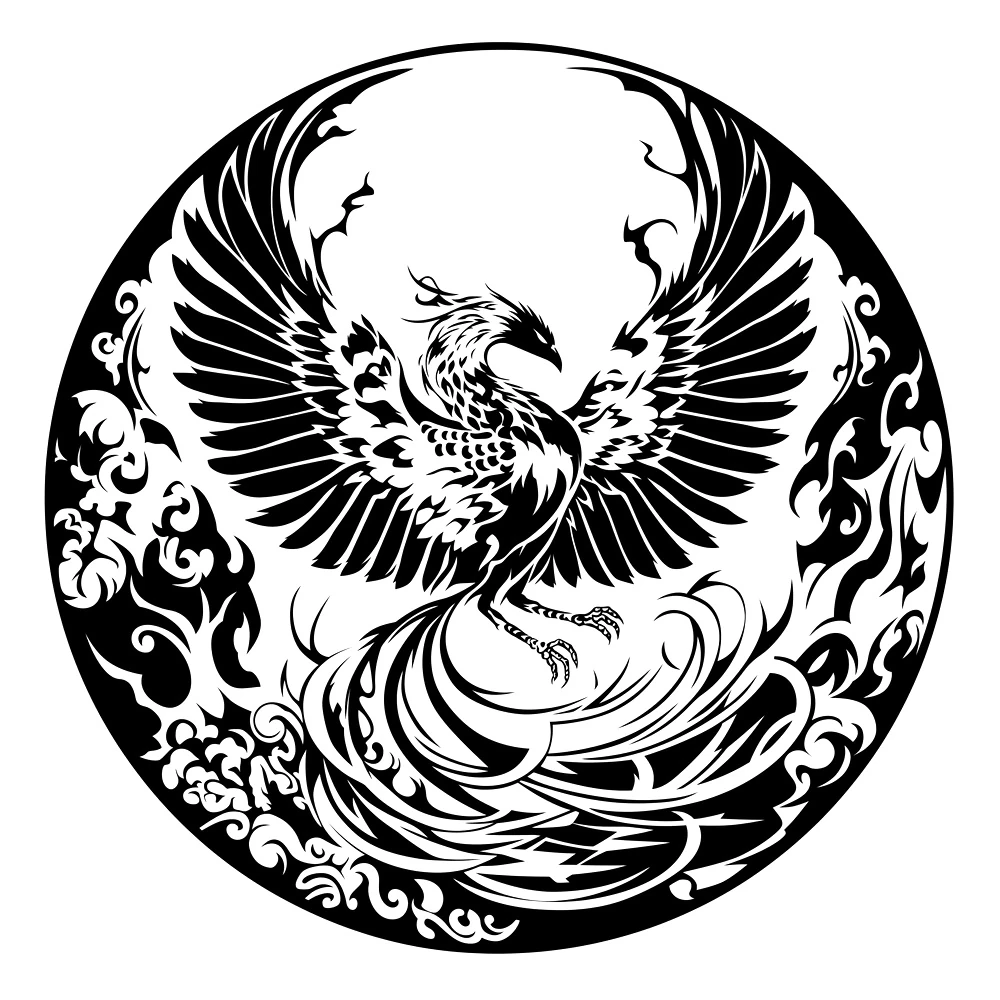
- Suzaku: The Vermilion Bird, guardian of the south, representing fire, summer, and the life-giving energy of the sun. Suzaku is celebrated during the summer festivals with dances and offerings to invoke blessings of warmth and growth.
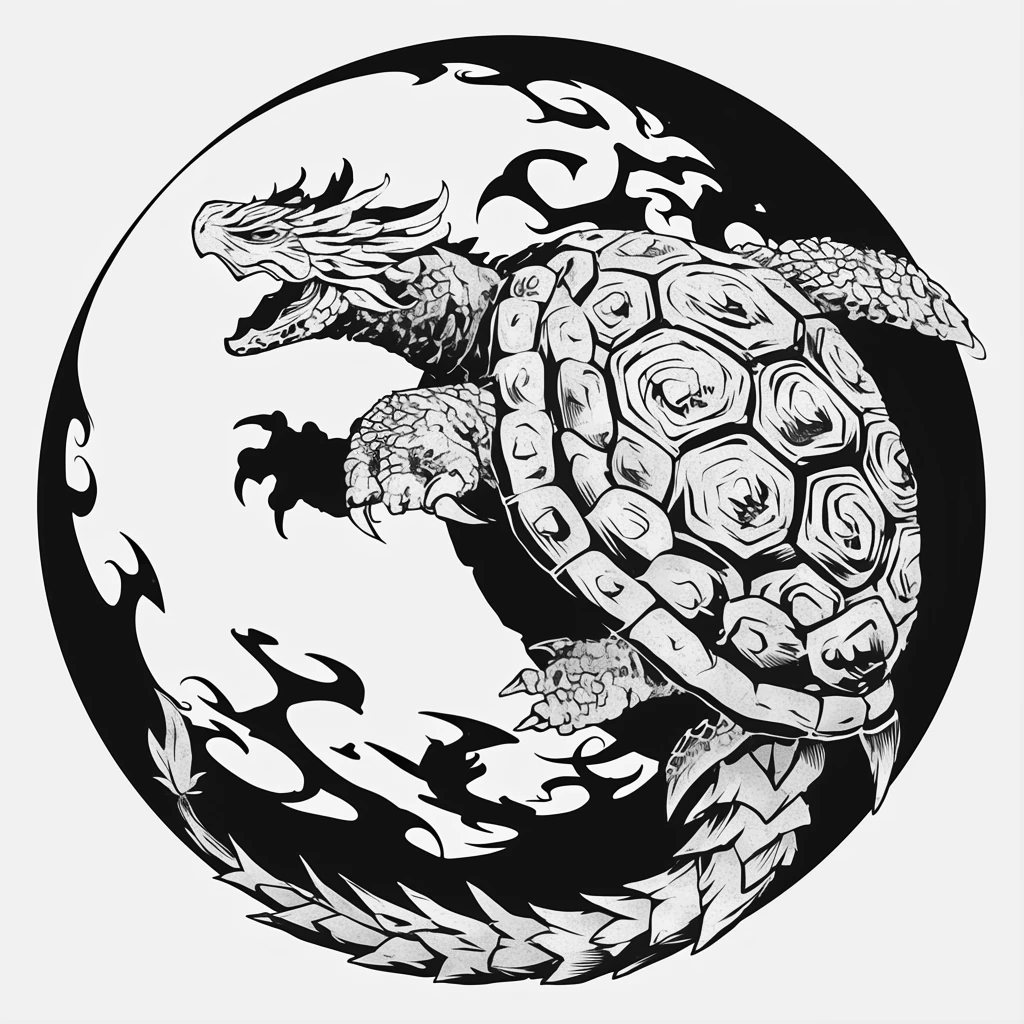
- Genbu: The Black Tortoise, guardian of the north, embodying the elements of water and earth, stability, and endurance. Genbu's temples are often situated near bodies of water, and rituals focus on longevity and protection against natural disasters.
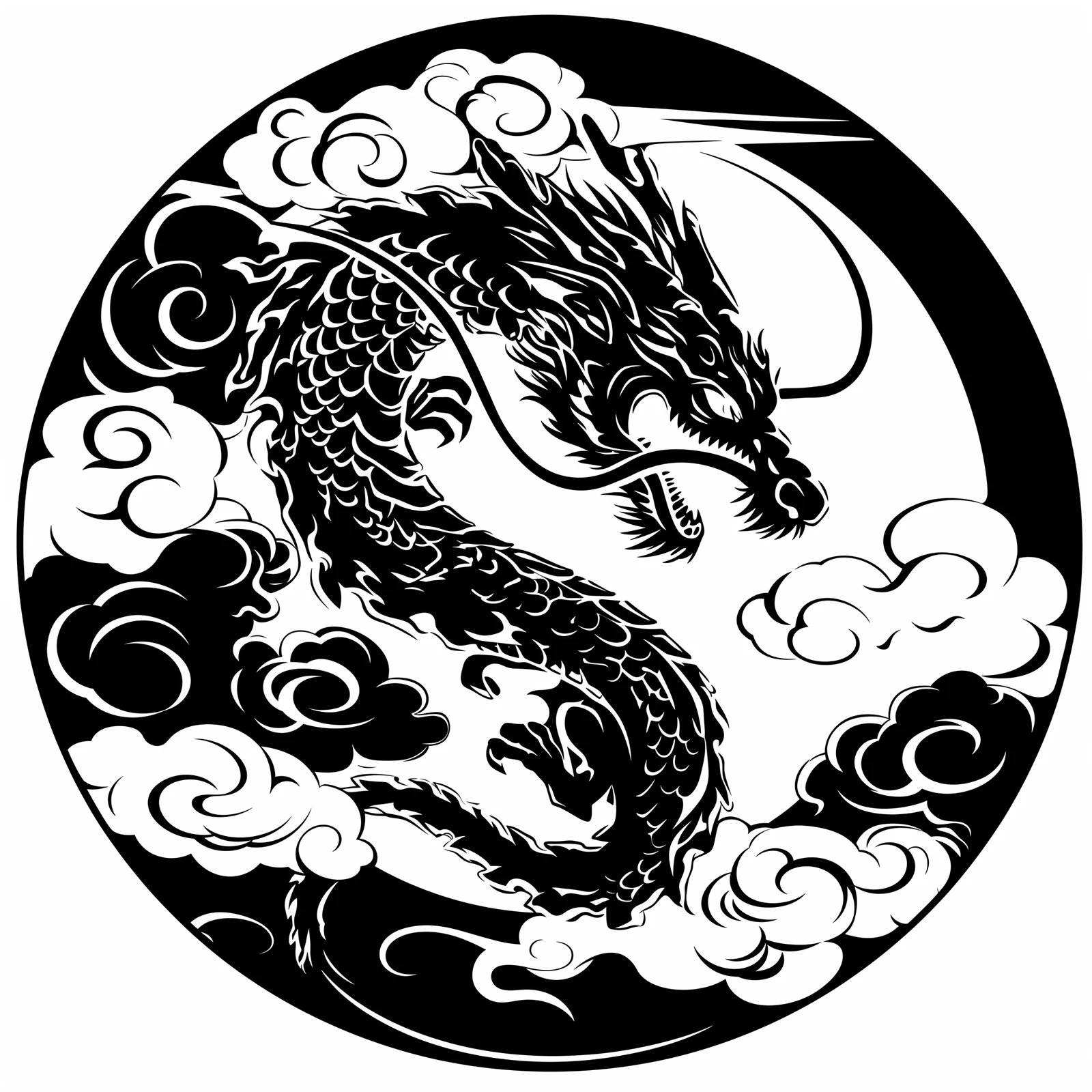
- Seiryu: The Azure Dragon, guardian of the east, associated with the element of wood, spring, and renewal. Seiryu is honored during spring festivals, symbolizing renewal and growth, with elaborate ceremonies that include dragon dances and planting rituals.